Like juries, but for public policy.
Why does it work
People are capable, interested and reasonable, they just don’t have the time or opportunities in their busy lives to contribute to politics.
This means that decision-makers usually only hear from those with the time, motivation or resources making it hard to govern and narrowing what is possible.
We can address this by replacing shallow public opinion with reasoned public judgement and the values and priorities of everyday people.
Citizens’ Assemblies can be a complementary feature of our adversarial parliaments where the incentives are different.
Countries
France
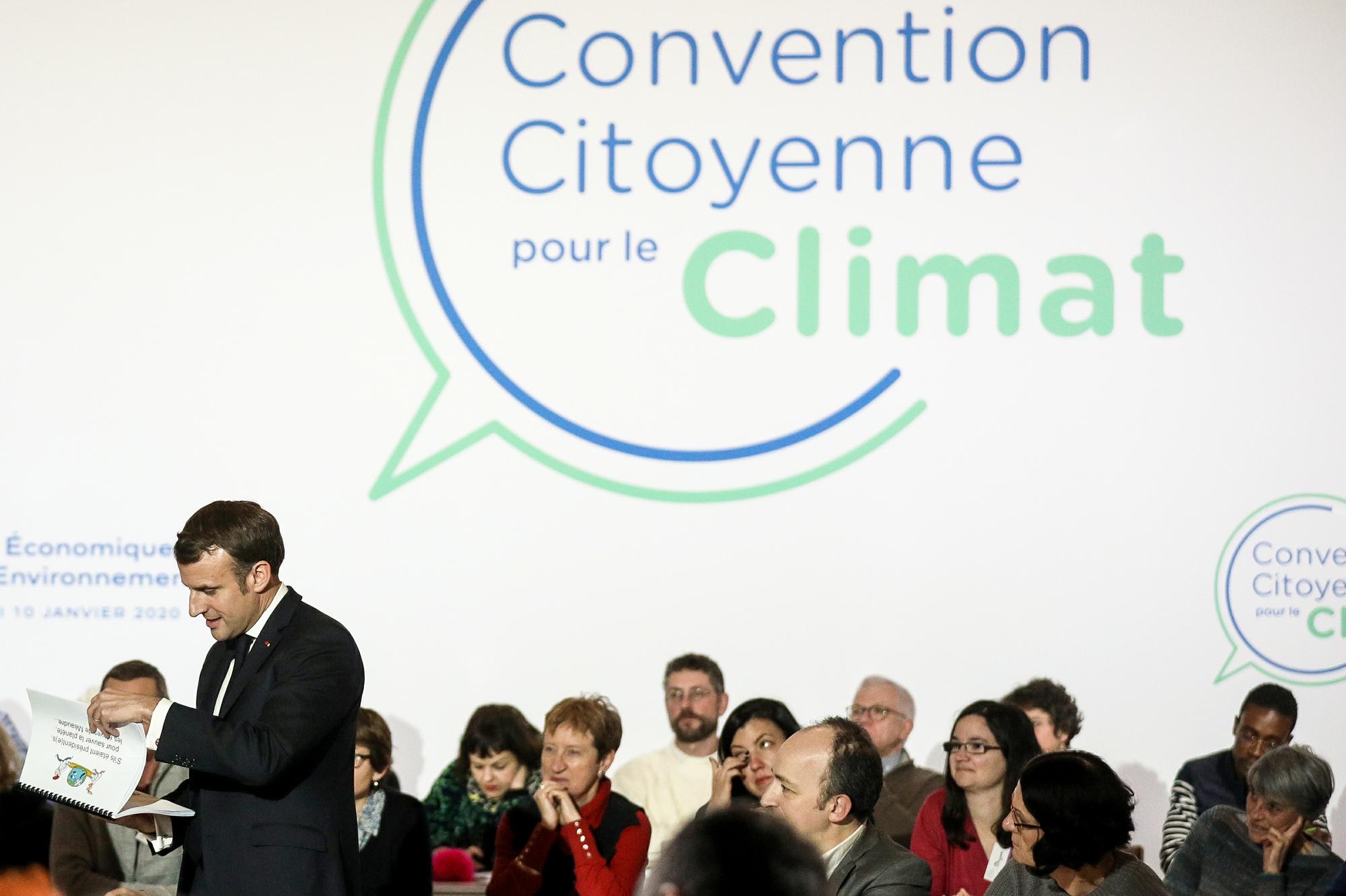
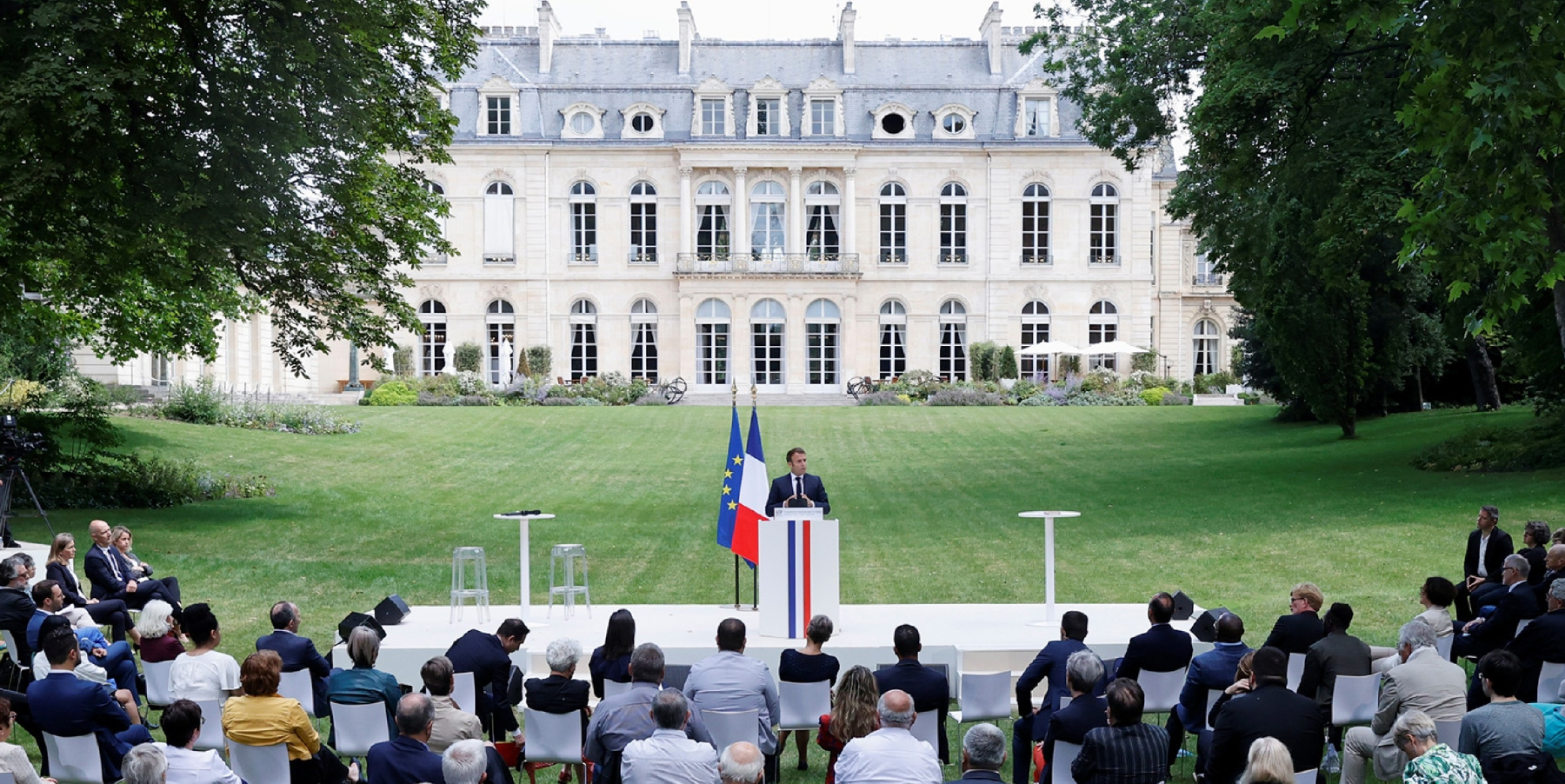
The Citizens’ Convention for Climate (2019-2020) involved 150 randomly selected people across seven weekends drafting to cut France’s greenhouse-gas emissions by 40 % by 2030.
Citizens’ Convention on the End of Life (2022-2023): 184 citizens met over nine weekends and backed legalising assisted suicide or euthanasia within strict safeguards.
Germany
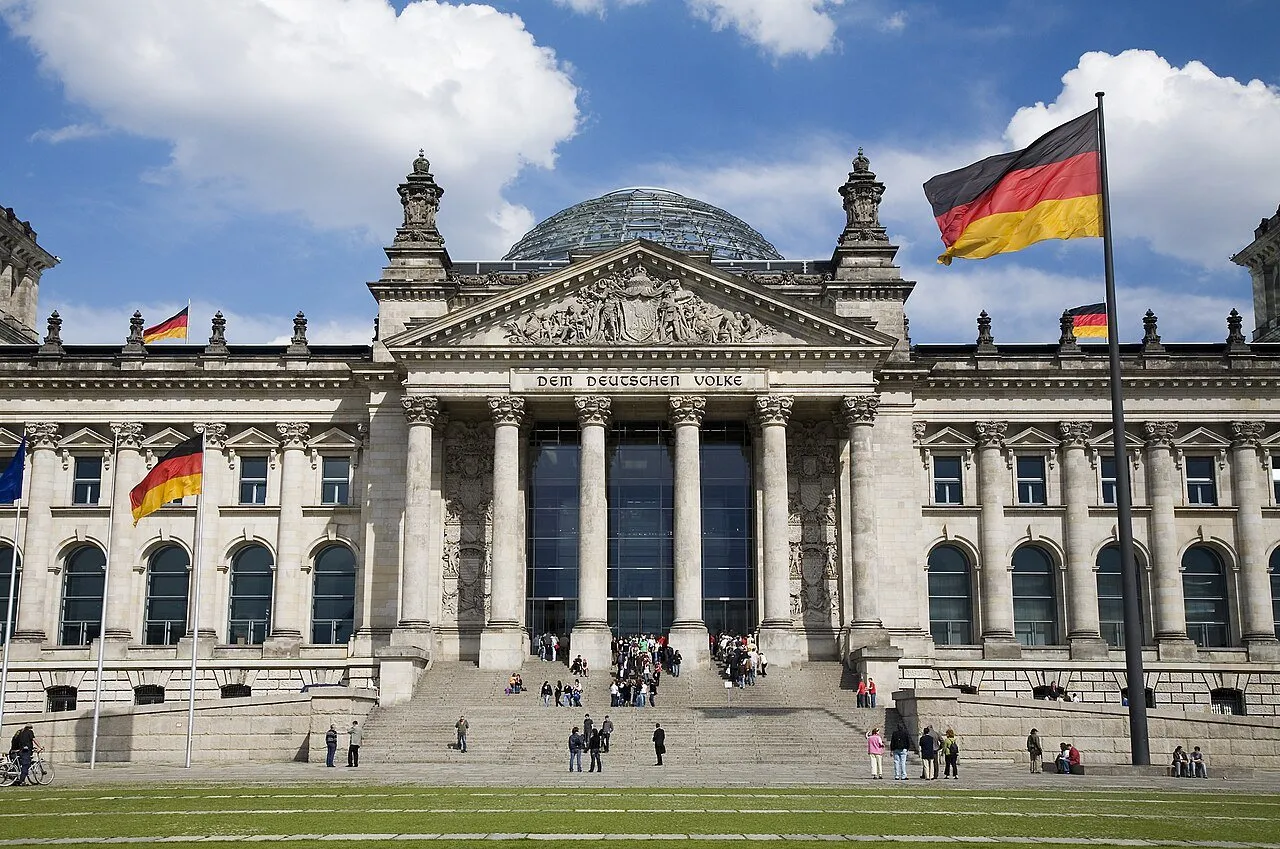
160 randomly selected citizens met in nine hybrid sessions from September 2023 to January 2024 and adopted nine food-policy proposals.
Their headline demands—free healthy lunches for every child, a mandatory front-of-pack nutrition label and a legal duty for retailers to pass on edible surplus food.
OECD
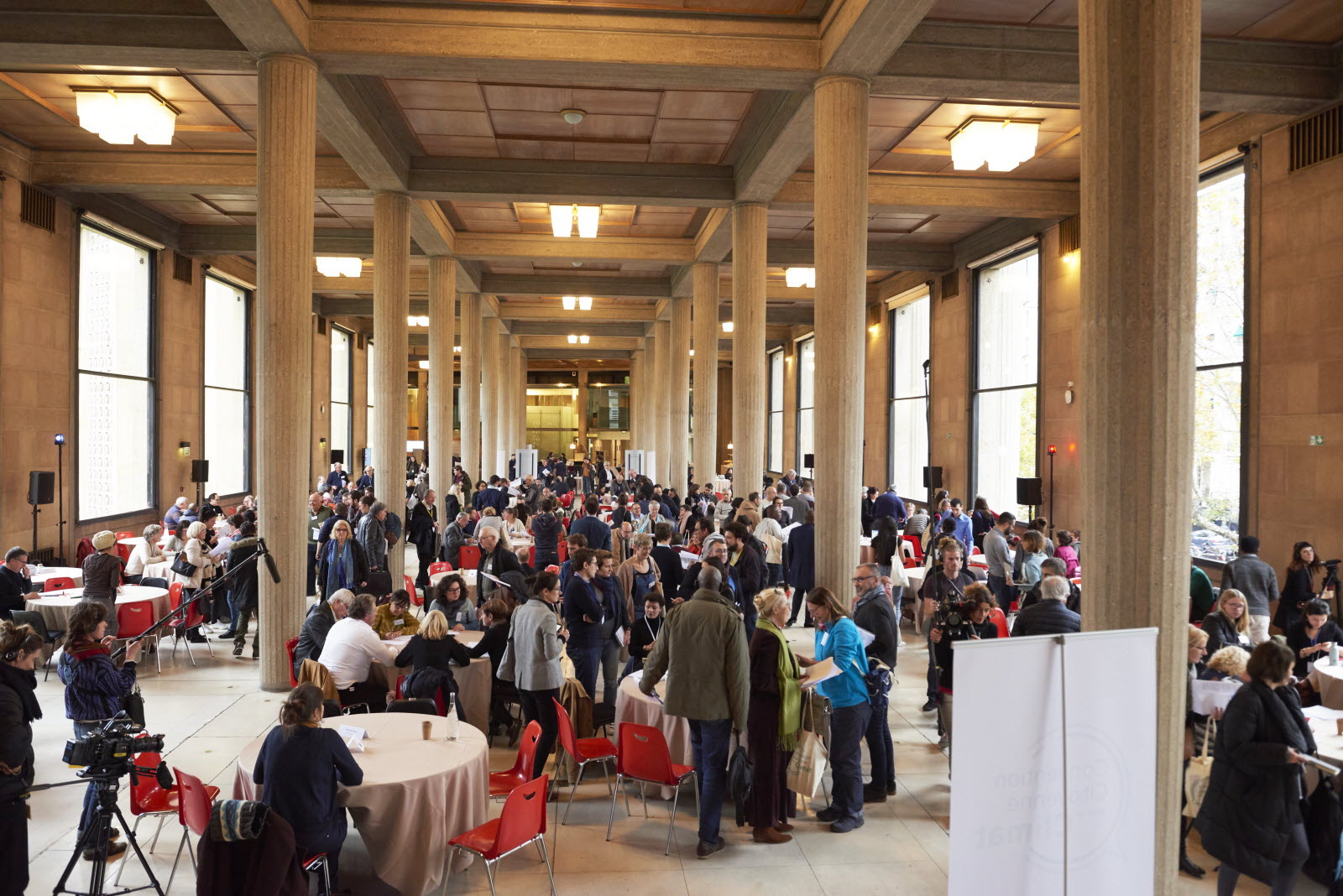
It has translated those findings into practical tools for policymakers—issuing 11 Good Practice Principles, detailed Evaluation Guidelines and the 2021 “Eight Ways to Institutionalise Deliberative Democracy” playbook.
Belgium
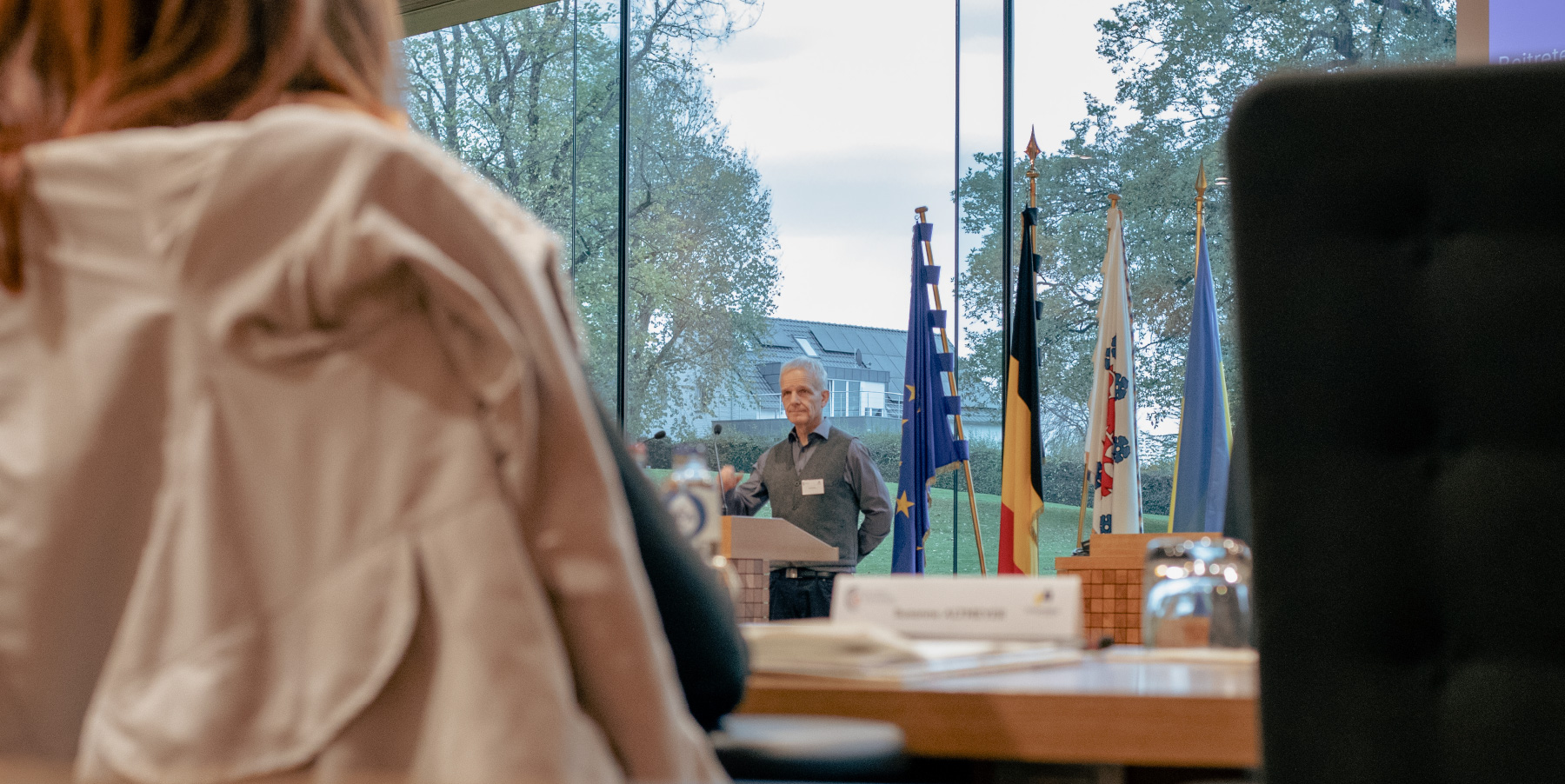
Since 2020, the Brussels-Capital Parliament has operated permanent deliberative committees in which 45 randomly chosen residents sit alongside 15 MPs to co-produce recommendations.
And from February 2023, the Brussels-Capital Region’s world-first permanent Citizens’ Assembly on Climate annually gathers about 100 allotted citizens to pick climate questions, craft proposals and track government follow-up.
What do they look like?
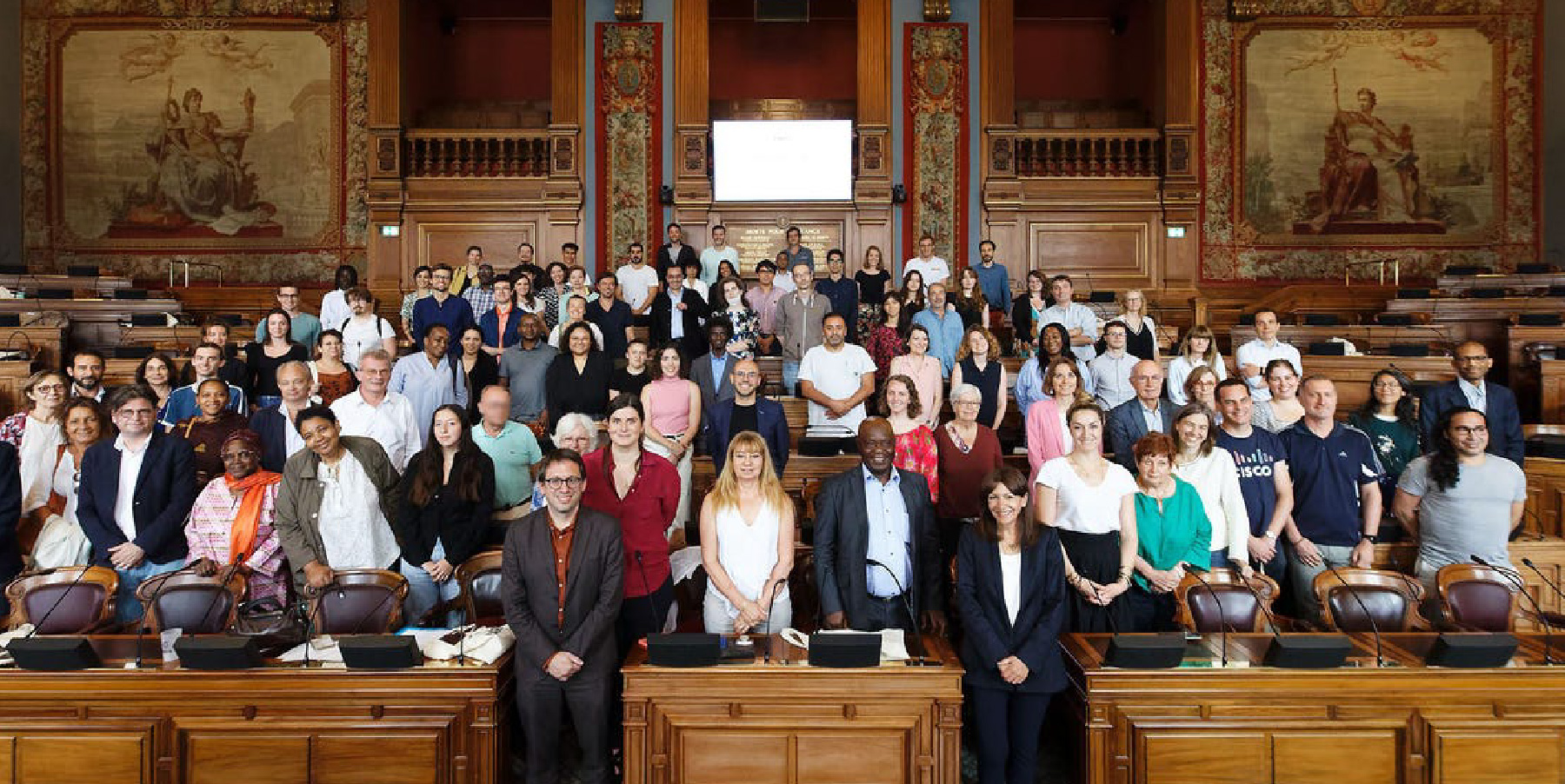
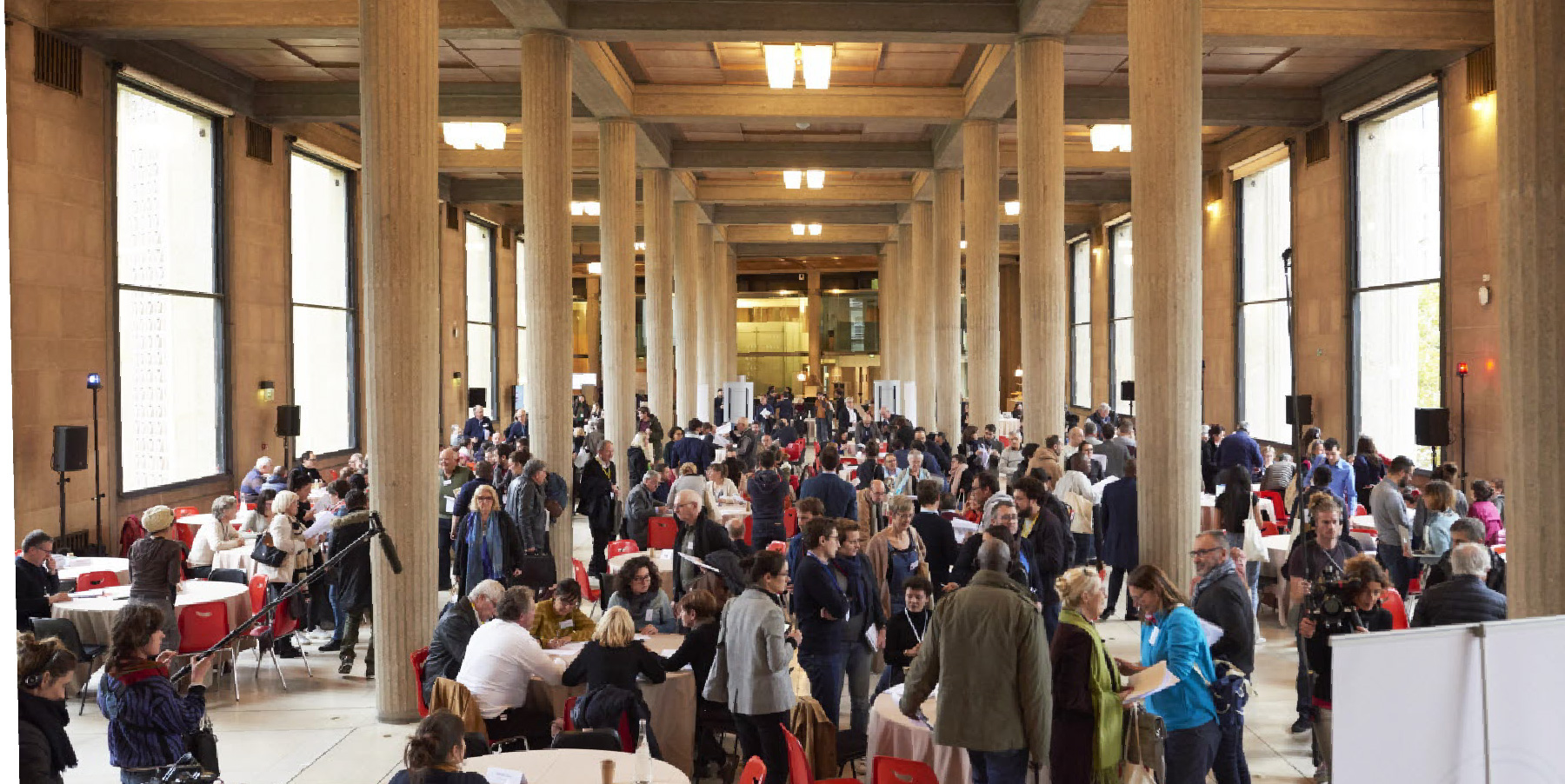
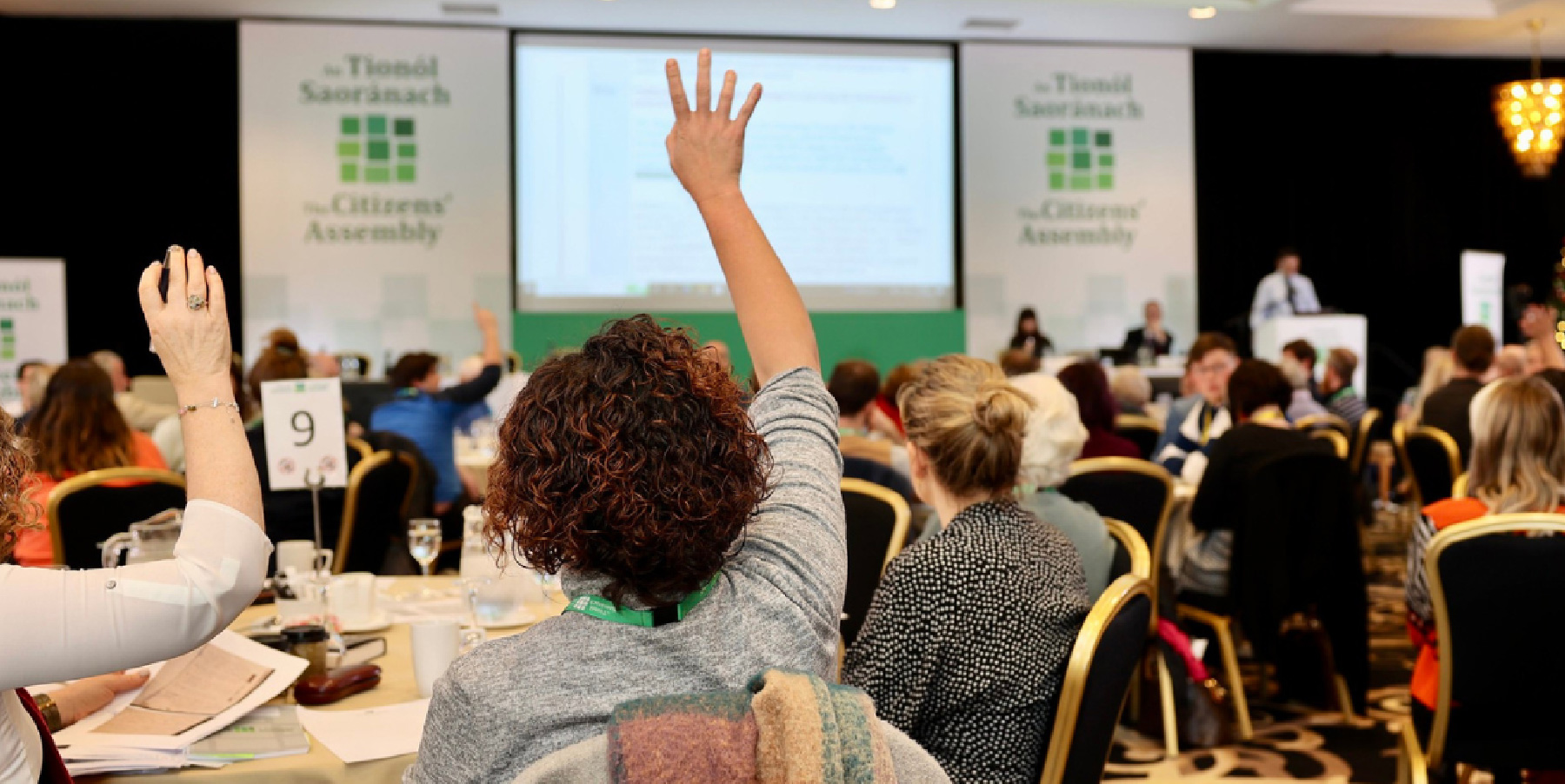
A citizens’ assembly is made up of people from all walks of life picked via a lottery. Young and old, white collar and blue collar, rich and poor, city and country, all different backgrounds and languages.
They find common ground on what to do about a challenging issue after spending a handful of days across several months immersed in the problem, hearing from diverse perspectives and learning deeply.
With no elections, donors, or lobbyists, their only incentive is to make the best decision that they can — they have to live with it.
 "Quotey quote quote quote"
Jay Weatherill
Premier, South Australia (2011-2018)
 "Ask people in Ireland, and they’ll say Citizens’ Assemblies are how Ireland makes hard decisions. It works because we put ‘Ireland in one room’ and the rest of the community connects with them. We’ve been helped with advice from newDemocracy along the way to get the detail right on our methodology and recruitment."
Art O'Leary
Secretary-General to the President of Ireland (2014-2021)
Secretary-General to the Irish Constitutional Convention (2012-2014)
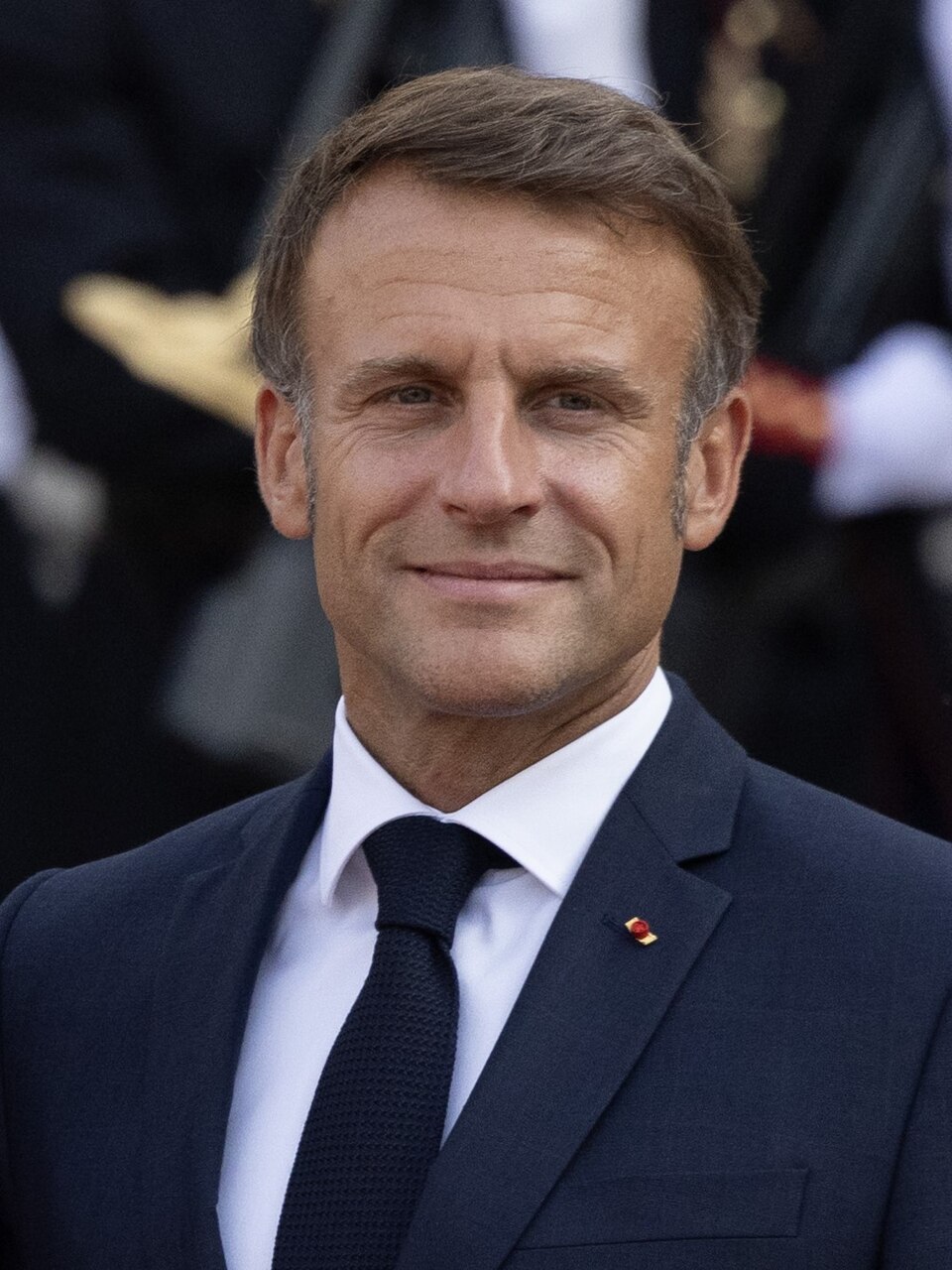
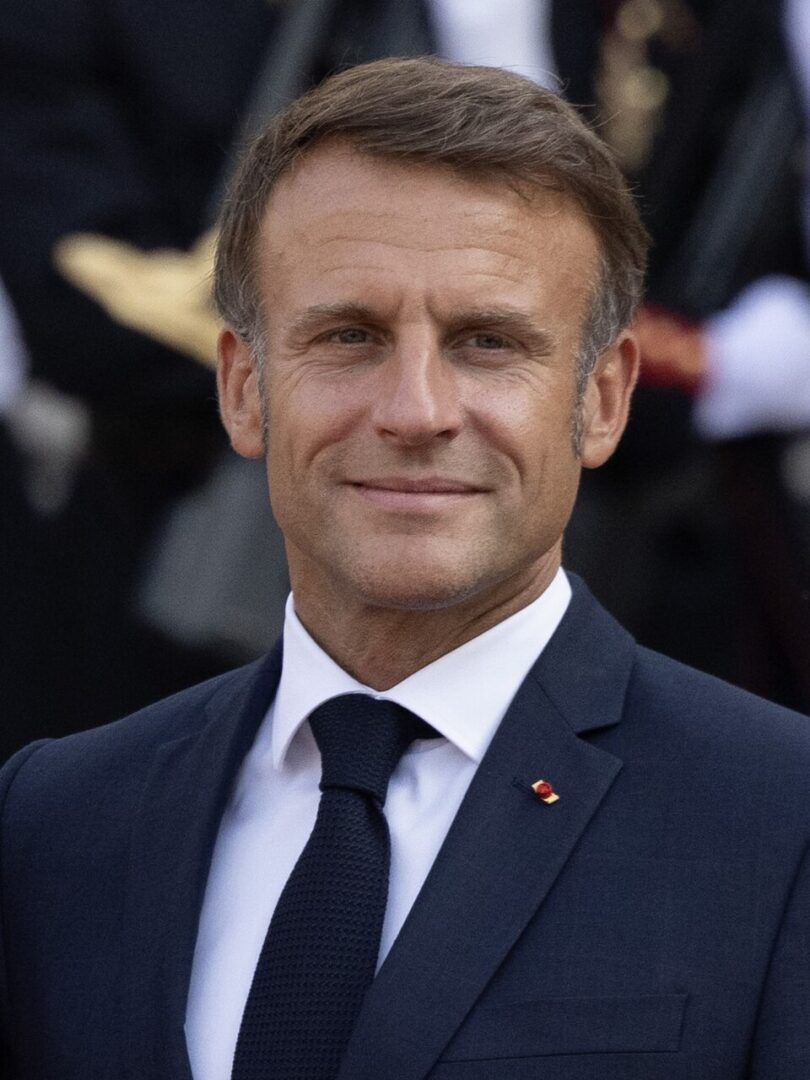 "In the face of disinterest in public affairs. I am convinced that deliberative and participatory democracy is a way to bring the pieces back together."
Emmanuel Macron
President of France (2017-Present)